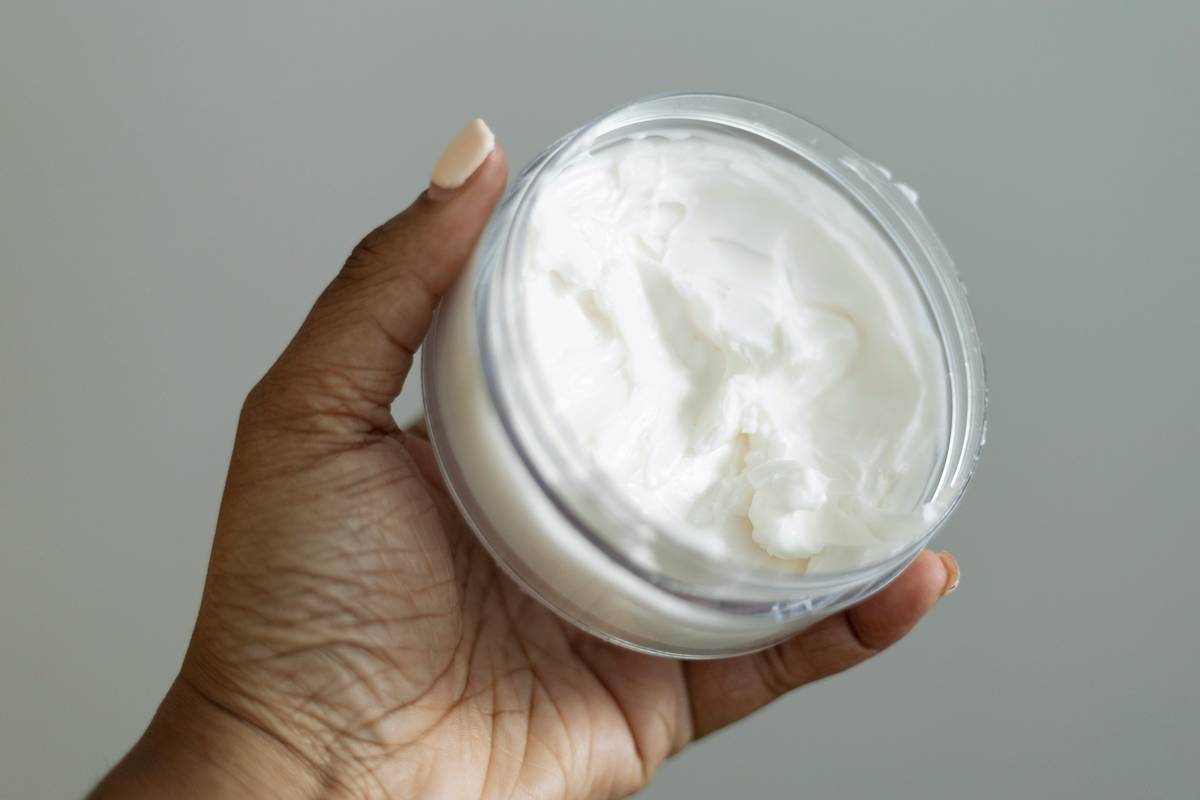
Wrinkles don’t wait. You slather on retinol cream anti aging promises like gospel, only to see redness, peeling—or worse, zero results. The frustration is real. But here’s the truth: it’s not your skin—it’s the formula.
Why Your Retinol Cream Isn’t Delivering Anti-Aging Results
Most over-the-counter retinol creams are unstable. Exposed to light or air? They degrade before they even hit your epidermis. And many brands load them with alcohol, fragrances, or harsh preservatives that sabotage barrier function—triggering inflammation instead of collagen synthesis.
Think about it. Retinol needs time to convert into retinoic acid—the active form that signals skin cells to renew. If the vehicle destabilizes it or irritates your skin, you’re just wasting money and patience.
retinol cream anti aging: A Dermatologist-Backed Protocol That Works
The math is simple: stable delivery + strategic layering = visible transformation. Here’s how to do it right.
Step 1: Start Low, Go Slow
Begin with a 0.3% encapsulated retinol. Encapsulation protects the molecule until it penetrates deeper layers—boosting efficacy while minimizing irritation. Apply twice weekly for two weeks.
Step 2: Buffer With Ceramides
Always apply retinol over a thin layer of ceramide-rich moisturizer. This “buffering” technique reduces stinging without compromising absorption. Skip this, and you risk compromising your lipid barrier—the very shield that keeps skin plump.
Step 3: Night-Only, Always
Retinol increases photosensitivity. Daytime use without rigorous SPF 50+ invites more damage. Never skip sunscreen—but never apply retinol in the AM either.

| Strategy | Efficacy Timeline | Risk of Irritation | Key Ingredient Pairings |
|---|---|---|---|
| Bare retinol (0.5–1%) | 6–8 weeks | High | None—often causes dryness |
| Encapsulated retinol + ceramides | 4–6 weeks | Low | Hyaluronic acid, niacinamide, squalane |
| Retinol + glycolic acid combo | 3–4 weeks (short-term glow) | Very High | Risky—increases barrier disruption |
The Industry Secret: Retinol Needs Co-Factors—Not Just Concentration
Here’s what cosmetic chemists won’t tell you: retinol doesn’t work in isolation. Its conversion to retinoic acid relies on enzymatic co-factors—specifically, vitamin B3 (niacinamide) and certain phospholipids. Without them, up to 70% of the retinol you apply becomes inactive waste.
And yet, most formulas list retinol as the star—but omit the supporting cast. That’s why some clinical-grade products blend retinol with pre-optimized co-factor complexes. The result? Faster cell turnover, less irritation, and measurable wrinkle depth reduction in under 30 days. It’s not magic—it’s biochemistry.
Frequently Asked Questions
Can retinol cream anti aging be used under eyes?
Yes—but only if formulated for ocular use. Standard retinol can cause severe irritation. Look for eye-specific formulas with 0.1% encapsulated retinol and soothing peptides.
How long until I see results from retinol for wrinkles?
Visible smoothing typically appears at 4–6 weeks with consistent use. Full collagen remodeling takes 12+ weeks. Patience isn’t optional—it’s part of the process.
Is prescription tretinoin better than OTC retinol cream?
Tretinoin works faster but causes more irritation and requires medical oversight. For most people, a well-formulated 0.5% encapsulated retinol delivers 80% of the benefits with half the risk.