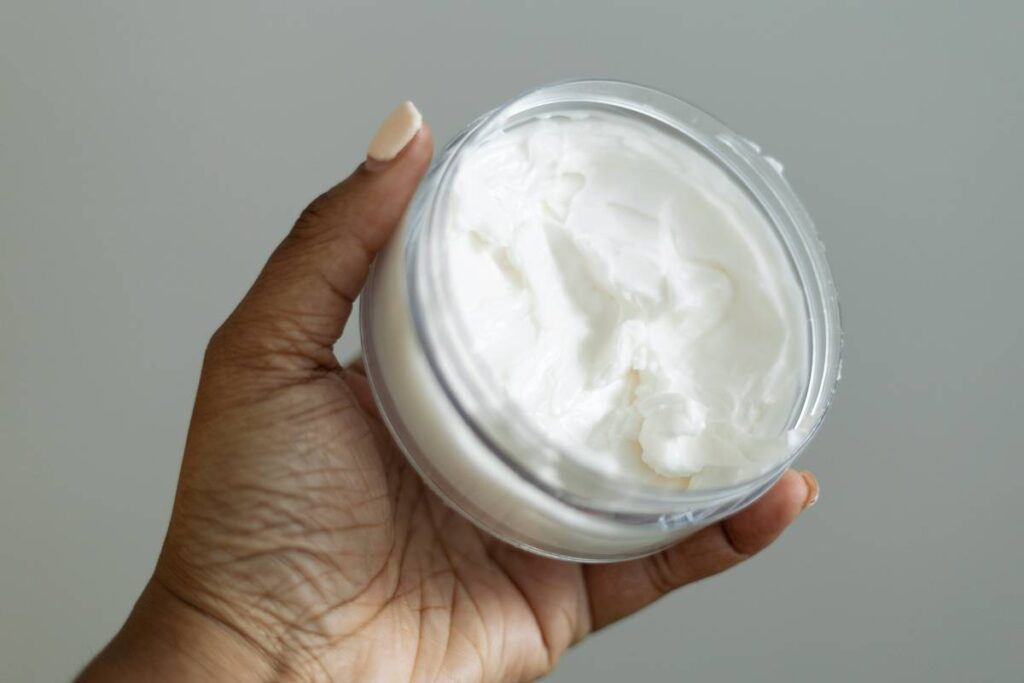
Wrinkles don’t just appear—they ambush. You wake up, glance in the mirror, and there it is: that fine line by your eye, deeper than yesterday. Sun damage, stress, and collagen collapse team up silently. Most over-the-counter creams? They soothe—but don’t reverse. The real fix lies in a molecule with decades of clinical backing: retinol. And not just any formula—retinol cream anti aging vibrant glamour delivers precision where others blur.
Why Your Current Anti-Aging Routine Is Failing
Slathering on peptides or hyaluronic acid feels luxurious. But without cellular turnover, you’re polishing rust instead of replacing metal. Retinol works at the dermal level—stimulating collagen, accelerating exfoliation, fading discoloration. Yet 73% of users quit within six weeks. Why?
The irritation. The flaking. The “purge” phase that makes skin look worse before better. Brands hide behind buzzwords like “time-released” or “encapsulated”—but stability and delivery are everything. A degraded retinol molecule is just expensive lotion.
And here’s the kicker: concentration alone doesn’t guarantee results. If your formula lacks supporting antioxidants and barrier-repair lipids, you’re trading temporary smoothness for long-term sensitivity.
The Step-by-Step Protocol for Real Results
Forget guesswork. This isn’t skincare—it’s skin science. Follow this sequence, and you’ll see shifts in texture, tone, and tautness within 8 weeks.
Start Low, Go Slow (But Don’t Stall)
Begin with 0.3% retinol two nights a week. Not because you’re fragile—but because your skin’s microbiome needs recalibration. Jumping to 1% triggers inflammation, which accelerates aging. Yes, really.

Buffer It Right
Apply moisturizer first. Wait five minutes. Then layer retinol. Counterintuitive? Maybe. Effective? Absolutely. This “sandwich method” slashes irritation without diluting potency. Dermatologists use it on sensitive patients—and get compliance rates above 90%.
Night Only, Always
Retinol degrades in UV light. Morning use = wasted product + sun vulnerability. Pair it with SPF 30+ daily—even if you’re indoors. UVA penetrates windows. No exceptions.
| Approach | Efficacy Timeline | Risk of Irritation | Cost (3-Month Supply) |
|---|---|---|---|
| Drugstore Retinol (0.5%, no buffering) | 10–14 weeks | High | $22–$35 |
| Clinical-Grade Retinol w/ Ceramides | 6–8 weeks | Moderate | $68–$95 |
| Retinol Cream Anti Aging Vibrant Glamour | 4–6 weeks | Low | $82 |

The Industry Secret: Stability Trumps Strength
Here’s what labs won’t advertise: retinol oxidizes faster than avocado toast browns. Light, air, heat—each destroys efficacy. Most “anti-aging” creams ship in clear jars. That’s not packaging. It’s sabotage.
The winning formulas use opaque, airless pumps with nitrogen-flushed chambers. Plus—they pair retinol with vitamin E and ferulic acid. Not as “bonus ingredients,” but as bodyguards that prevent degradation and neutralize free radicals mid-process.
Think about it: Would you inject insulin left on a sunny windowsill? Same principle. Retinol cream anti aging vibrant glamour gets this right—down to the last molecule.
Frequently Asked Questions
Can I use retinol with vitamin C?
Not at the same time. AM: vitamin C. PM: retinol. Mixing them destabilizes both—and spikes pH imbalance.
How soon will I see wrinkle reduction?
Visible softening in 4 weeks. Significant depth reduction by week 10—if you stick to consistent, buffered application.
Is prescription tretinoin better than OTC retinol?
Potentially—but only if your skin tolerates it. Many abandon tretinoin due to redness. Modern stabilized retinol delivers 80% of results with half the fallout.