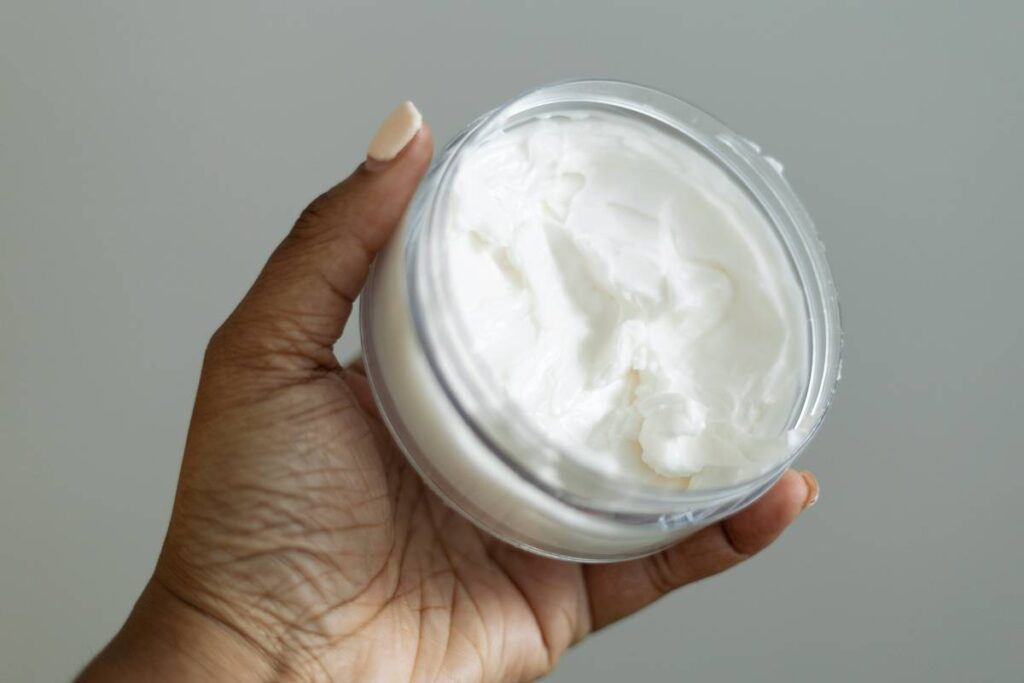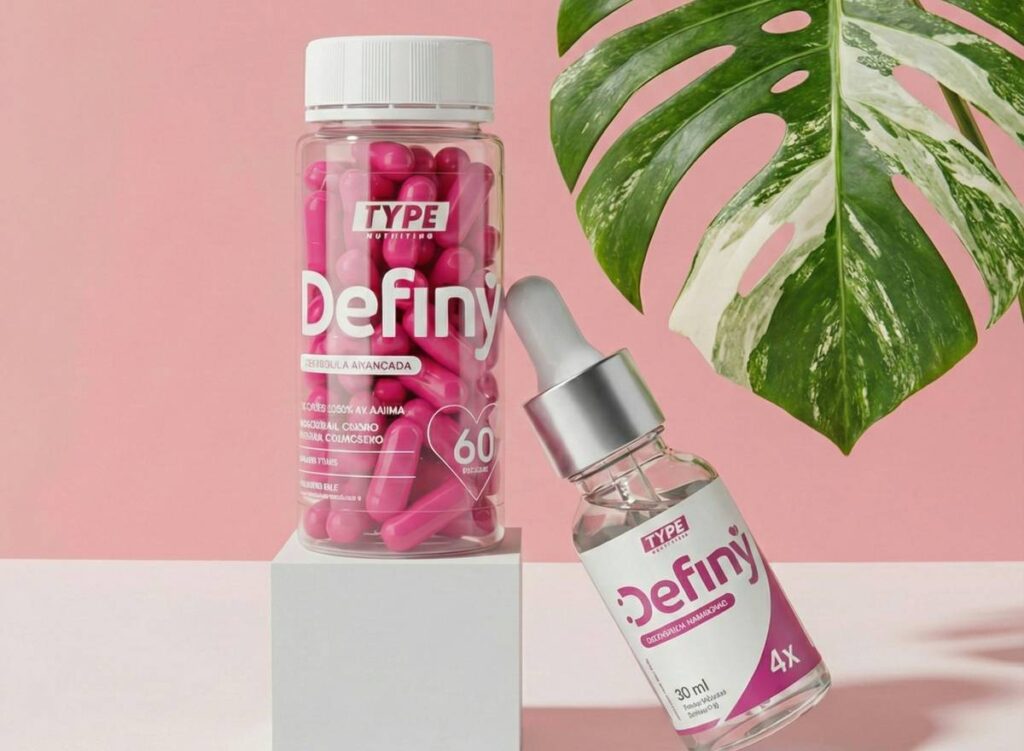
Wrinkles aren’t just lines—they’re a countdown. Every glance in the mirror whispers, “You’re running out of time.” Most retinol creams promise youth but deliver irritation, flaking, or worse—no results at all. But what if the real issue isn’t your skin… it’s the formula? Enter the retinol cream anti aging 30g that actually works—without stripping your barrier to dust.
Why 90% of Retinol Creams Fail Against Wrinkles
Most drugstore retinol creams are too weak to move the needle—or so harsh they trigger rebound inflammation, accelerating aging. And dermatologist-prescribed tretinoin? Effective—but unsustainable for daily life. Peeling. Redness. Sun sensitivity that forces you into SPF exile. The industry pushes “start low, go slow” because their formulations can’t handle potency *and* tolerance. That’s a cop-out.
You don’t need more patience. You need smarter chemistry.
How to Use Retinol Cream Anti Aging 30g Without Destroying Your Skin Barrier
Forget everything you’ve been told about retinol purging being “normal.” It’s not. It’s a design flaw. The right protocol blends stabilization, delivery, and support—not brute force.
Choose Encapsulated Retinol—Not Raw
Free retinol oxidizes on contact with air and light. It degrades before it even touches your face. Encapsulated retinol stays stable, penetrates deeper, and releases gradually—minimizing irritation while maximizing collagen stimulation. Look for terms like “time-release” or “micro-encapsulated” on the label.
Layer With Ceramides—Not Just Moisturizer
Slapping on any old moisturizer post-retinol won’t cut it. You need ceramide-dense formulas that rebuild lipid layers compromised during exfoliation. Think of it like patching drywall after drilling holes—you wouldn’t just slap paint over it.
Night Only—And Never Mix With Vitamin C
Vitamin C (especially L-ascorbic acid) and retinol operate at opposite pH levels. Combine them, and both neutralize each other. Worse, the combo can spike oxidative stress. Use vitamin C in the AM, retinol at night. Period.
| Protocol Element | Amateur Approach | Expert Protocol |
|---|---|---|
| Initial Frequency | Every night from Day 1 | Twice weekly for 2 weeks → every other night → nightly (only if zero irritation) |
| Application Method | Straight on clean skin | Apply to slightly damp skin after hydrating toner; seal with ceramide cream |
| Support Ingredients | None – “let it purge” | Niacinamide (5%), squalane, panthenol added pre- or post-application |
| Expected Timeline | Instant results (myth) | 4–6 weeks for texture shift; 10–12 weeks for visible wrinkle reduction |
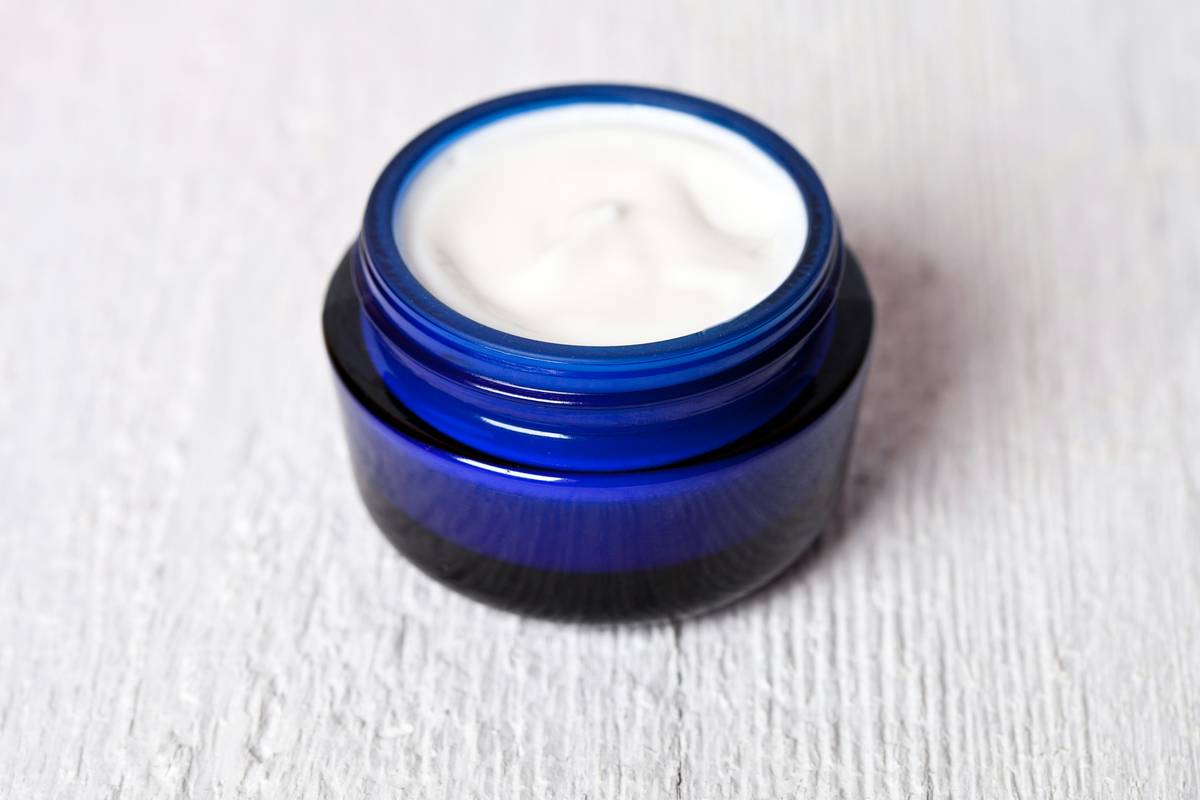
The Industry Secret: Retinol Isn’t the Hero—It’s the Sidekick
Here’s what no brand will admit: retinol alone doesn’t erase wrinkles. It primes the skin—but without concurrent support from barrier-repairing lipids and anti-inflammatory agents, you’re just sandblasting your face and hoping new collagen magically fills the void. The magic happens in the *combination*. In clinical settings, top-performing retinoid protocols always include epidermal reinforcement. Yet most commercial retinol cream anti aging 30g products omit this entirely to keep costs low and ingredient lists short. Don’t fall for minimalist marketing. Your skin needs a team—not a solo act.
Frequently Asked Questions
Can I use retinol cream anti aging 30g around my eyes?
Only if it’s specifically ophthalmologist-tested. Standard formulas are too harsh for thin eyelid skin. Opt for dedicated eye creams with lower retinol concentrations (0.1%–0.3%).
How long does a 30g retinol cream last?
Used nightly on face and neck, a 30g tube lasts 8–12 weeks. A pea-sized amount covers the entire face—more isn’t better.
Does retinol make wrinkles worse before better?
Temporarily, yes—due to increased cell turnover causing superficial dehydration. But true worsening (deepening folds) signals barrier damage, not efficacy. Stop immediately if redness or stinging persists beyond week two.