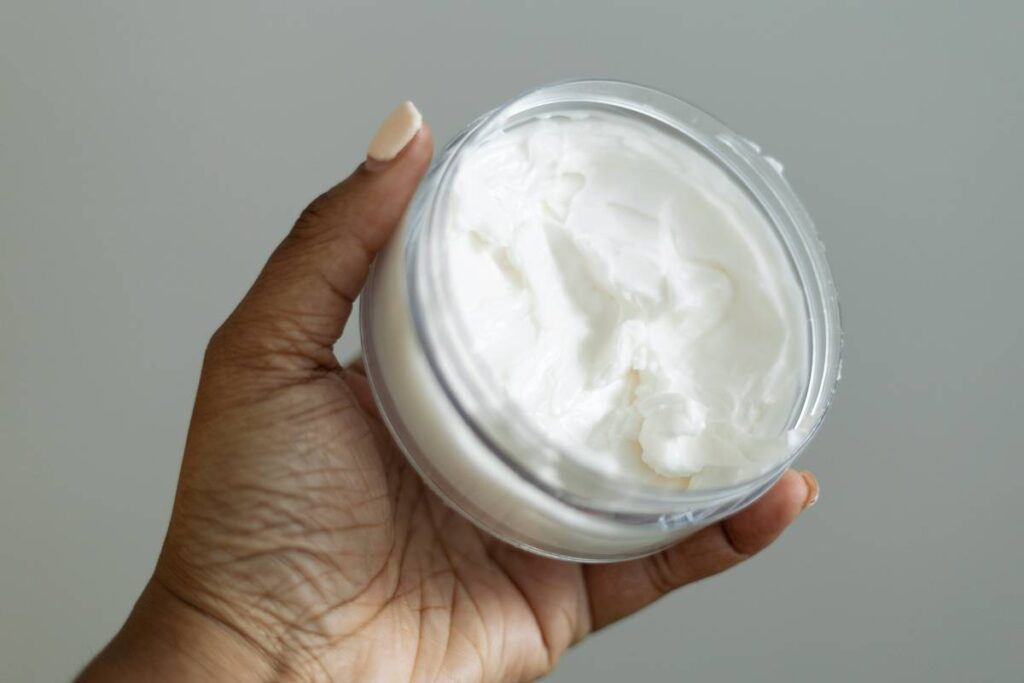
Wrinkles don’t just appear—they ambush you. One day your reflection looks sharp; the next, fine lines mock you from every mirror. Over-the-counter “anti-aging” creams promise miracles but deliver little more than slick packaging and fleeting hope. The real solution? A retinol wrinkle cream anti aging vibrant formula that actually penetrates—not just paints over—the problem.
Why Most Retinol Creams Fail to Deliver Real Results
Most drugstore retinol products contain unstable, low-concentration formulas buried under layers of emollients and fillers. They sit on the surface—useless. And worse: they trigger redness, peeling, or worse yet, photo-sensitivity that accelerates aging if you skip sunscreen. The irony? You’re trying to fight time… while speeding it up.
Retinol isn’t magic—it’s chemistry. And if the delivery system is flawed, even 1% retinol won’t outperform a placebo. Stability, encapsulation, pH balance—these determine efficacy. Not marketing buzzwords like “dermatologist-tested” or “luxury feel.”
How to Use Retinol Wrinkle Cream Anti Aging Vibrant Correctly—Step by Step
Success with retinol hinges on method, not just molecule. Here’s how to do it right:
Start Low, Go Slow—But Don’t Stall
Begin with a 0.25%–0.3% retinol cream two nights per week. Your skin needs to adapt—not revolt. Skip daily use for the first month. Patience prevents inflammation, which breaks down collagen faster than wrinkles ever could.
Layer Smart: Buffering Isn’t Cheating
Apply a thin layer of moisturizer first—then your retinol. This “buffering” trick reduces irritation without diluting results. Especially vital for dry or sensitive skin types who quit too soon.
Night-Only + SPF 30+ Daily (Non-Negotiable)
Retinol increases sun sensitivity dramatically. No exceptions. If you skip sunscreen, you undo every benefit. Period.
| Approach | Typical Results Timeline | Risk of Irritation | Long-Term Efficacy |
|---|---|---|---|
| Drugstore retinol (unstable formula, no encapsulation) | 8–12 weeks (mild improvement) | High | Low—plateaus quickly |
| Clinical-grade retinol (encapsulated, pH-optimized) | 4–6 weeks (visible smoothing) | Moderate (manageable) | High—continuous collagen stimulation |
| Prescription tretinoin | 6–8 weeks (significant change) | Very high | Very high—but requires medical oversight |
The Industry Secret: It’s Not Just Retinol—It’s the Synergy
Here’s what brands won’t tell you: retinol alone is half the story. The real anti-aging power emerges when it’s paired with supporting actives that stabilize it and amplify its effect. Think niacinamide to calm inflammation, hyaluronic acid to offset dryness, and ferulic acid to shield against oxidative stress during the renewal process.
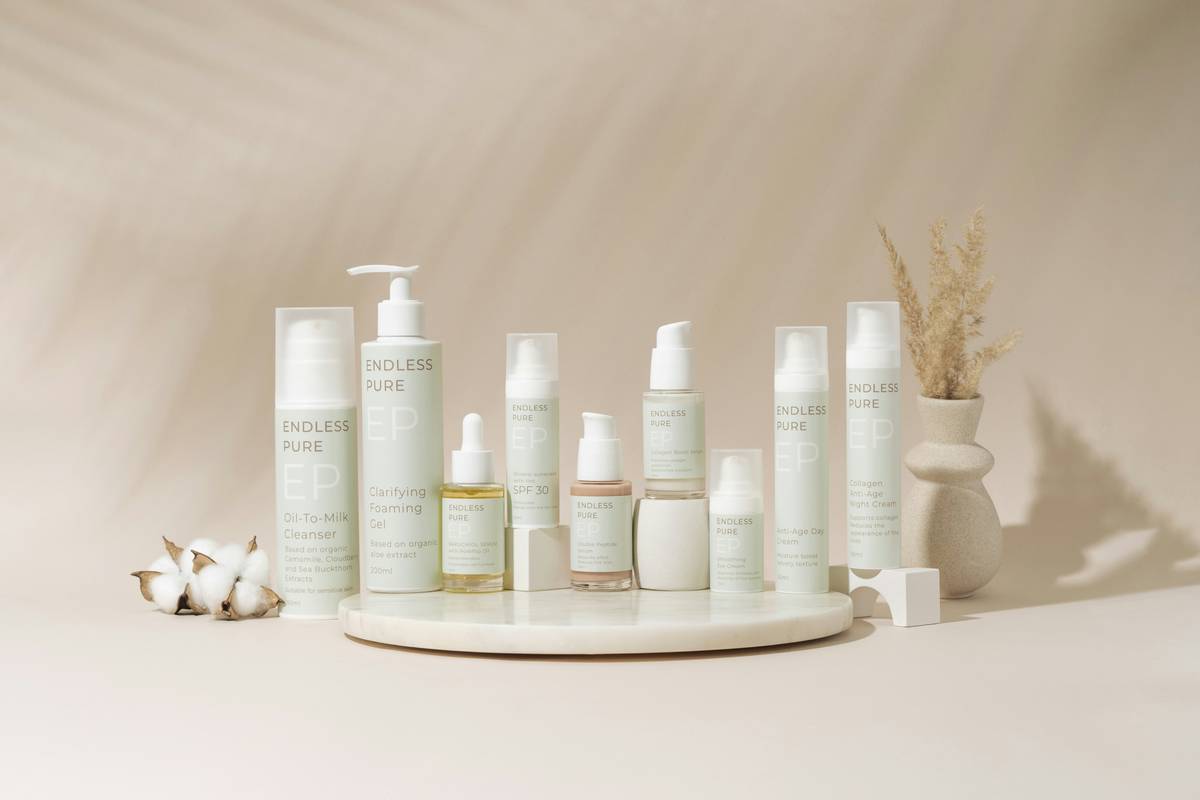
And—this is critical—packaging matters more than most admit. Airless, opaque pumps prevent light and oxygen from degrading retinol before it even touches your skin. A $60 jar in clear glass? That’s decor, not skincare. The math is simple: unstable retinol = wasted money and frustrated skin.
Frequently Asked Questions
Can I use retinol wrinkle cream anti aging vibrant every night?
Not immediately. Start 2–3 nights weekly. After 4–6 weeks, if no irritation occurs, you can increase frequency—but nightly use isn’t mandatory for results.
At what age should I start using retinol for wrinkles?
Prevention beats correction. Many dermatologists recommend starting in your late 20s—especially if you’ve had sun exposure or notice early texture changes.
Does retinol make wrinkles worse before better?
Temporarily, yes—due to initial dryness and flaking. But this isn’t “worse” wrinkles; it’s surface shedding. Hydrate well, buffer application, and it resolves within 2–3 weeks.