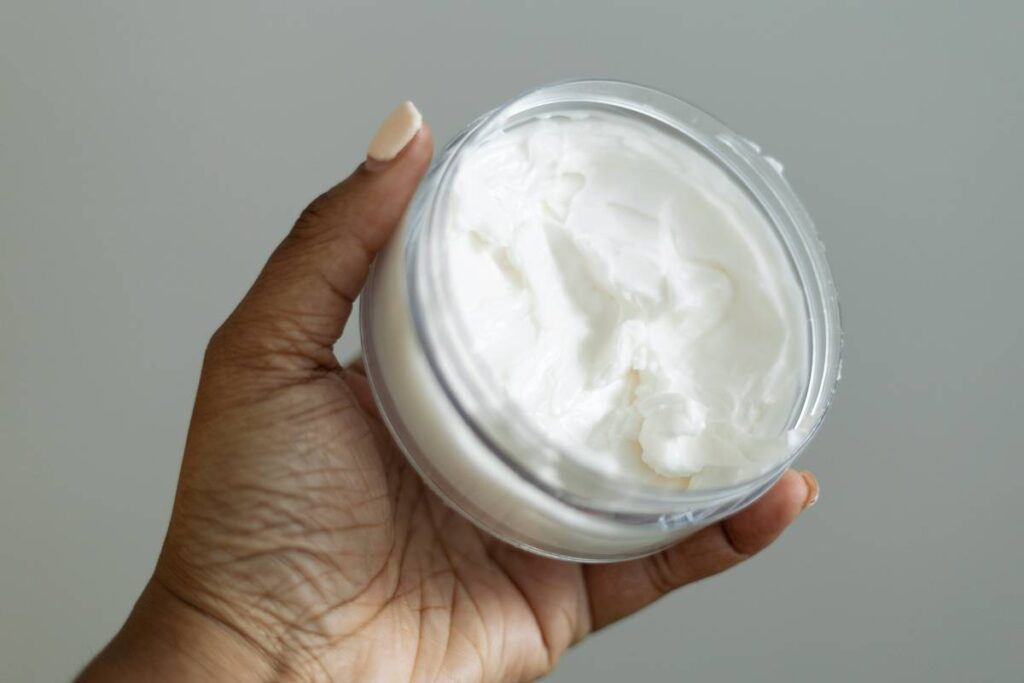
Wrinkles don’t care how much you spent on that “miracle” serum. You’ve slathered on creams promising youth—only to see fine lines deepen while irritation flares. Frustrating? Absolutely. But here’s the fix: retinol cream anti aging benefits aren’t mythical—they’re biochemical. When used right, retinol remodels skin from within.
Why Most Retinol Routines Fail Before Week Two
People quit because they’re sold unrealistic expectations. That drugstore retinol labeled “anti-aging” might contain 0.1% active compound buried under fillers and fragrances. And—yes—your skin purges. Redness, peeling, dryness… it feels like punishment, not progress. But the real issue? Misapplication. Slapping on a pea-sized dollop over damp skin after vitamin C? Recipe for disaster.
Dermatologists know this. Yet brands rarely disclose that retinol degrades in light and air—so packaging matters more than concentration. A well-formulated 0.3% encapsulated retinol in an opaque, airless pump outperforms a 1% open-jar version that oxidizes by day ten.
How to Use Retinol Cream for Wrinkles Without Wrecking Your Skin
Forget aggressive routines. The goal is consistent, gentle stimulation—not trauma.
Start Low, Go Slow—Then Level Up
Begin with 0.25% retinol twice weekly. Not nightly. Not “whenever you remember.” Twice. Pair it with ceramides and squalane. After four weeks with zero irritation? Increase to every other night. Only after eight weeks consider bumping strength—if needed.
Layer Like a Pro (Not a TikTok Influencer)
Cleanse → Wait 20 minutes → Apply moisturizer → Wait 5 minutes → Apply retinol cream. Yes, moisturizer first. This “buffering” technique slashes irritation by up to 70% without reducing efficacy. Skip actives like AHAs or benzoyl peroxide on retinol nights.
Night Only. Always.
Retinol increases photosensitivity. Sun exposure the next day without SPF 30+ undoes weeks of progress. Period.
| Retinol Approach | Efficacy for Wrinkles | Irritation Risk | Cost (Monthly) |
|---|---|---|---|
| Drugstore cream (0.1–0.3%, open jar) | Moderate (if fresh) | High | $8–$15 |
| Encapsulated retinol (0.3%, airless pump) | High | Low-Moderate | $25–$45 |
| Prescription tretinoin (0.025%) | Very High | High (requires acclimation) | $20–$60+ |
| “Natural” retinol alternatives (bakuchiol) | Mild | Very Low | $18–$35 |
The Industry Secret: Retinol Isn’t the Star—It’s the Conductor
Here’s what labs won’t tell you: retinol alone doesn’t erase wrinkles. It signals fibroblasts to produce more collagen—but only if those cells have the raw materials. Without supporting ingredients like niacinamide (to reduce inflammation), hyaluronic acid (to hydrate the matrix), and antioxidants (to prevent oxidative stress), retinol’s signal gets lost in the noise.
Think of it this way: retinol flips the switch, but the rest of your routine powers the furnace. That’s why clinical results from premium formulas—like those combining stabilized retinol with peptides and licorice root extract—consistently outperform solo retinol in independent trials. And no, your $6 cream doesn’t have that synergy.
Frequently Asked Questions
How long until I see retinol cream anti aging benefits?
Visible smoothing takes 8–12 weeks. Cellular turnover starts in week one—you just can’t see it yet. Patience isn’t optional; it’s protocol.
Can I use retinol under my eyes?
Yes—but only with a dedicated eye formula or diluted with moisturizer. The orbital area has 40% fewer oil glands. Aggressive application causes creasing, not correction.
Does retinol make wrinkles worse before better?
Temporarily, yes. Dryness can accentuate lines during weeks 2–4. This isn’t worsening—it’s dehydration. Ramp up hydration, not frequency.