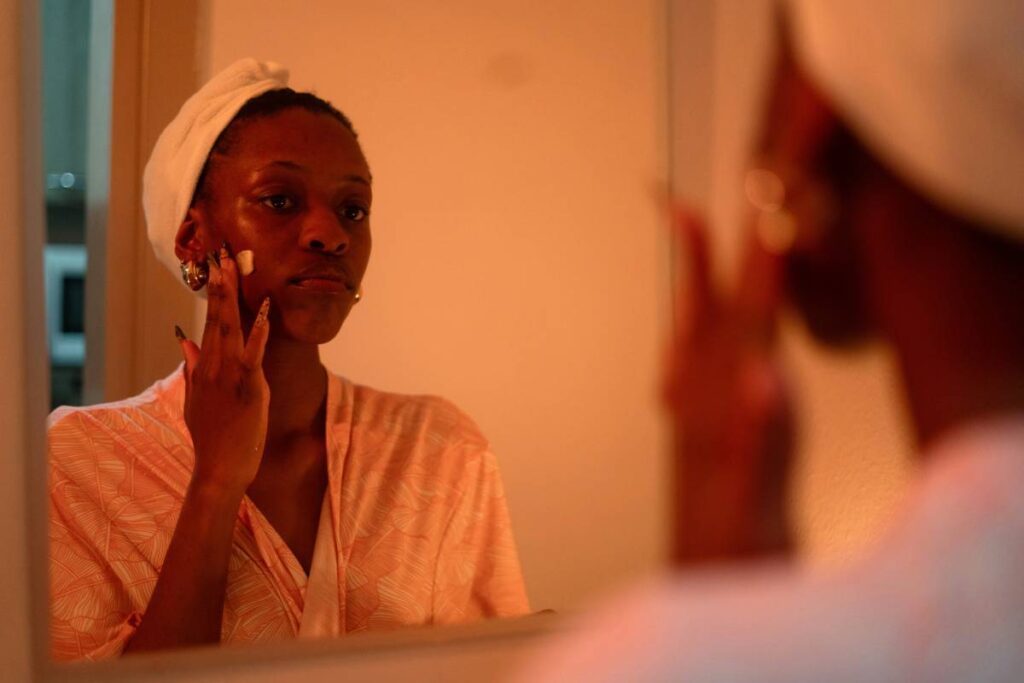
If your skin stings, peels, or turns beet-red every time you try a retinol cream, you’re not alone—and it’s probably not your skin’s fault. It’s likely the retinol strength level cream top anti you chose was mismatched to your experience level. With concentrations ranging from 0.01% to 1% (and even higher in prescription formulas), picking the wrong one can sabotage months of anti-aging progress. In this guide, we’ll walk you through how to match your skin’s tolerance to the right retinol potency, avoid rookie errors, and get real results—without the irritation.
Table of Contents
- Why Retinol Strength Matters in Anti-Aging
- How to Choose Your Ideal Retinol Level: A Step-by-Step Guide
- Best Practices for Safe & Effective Use
- Real Results from Real Users
- Frequently Asked Questions
Key Takeaways
- Retinol strength should align with your skin’s current tolerance—not your impatience.
- Start low (0.01%–0.03%) if you’re new; intermediate users can handle 0.04%–0.1%.
- Nightly use isn’t necessary—2–3 times per week often yields better long-term results.
- Moisturizer buffering reduces irritation without sacrificing efficacy.
- The “retinol strength level cream top anti” you choose impacts both safety and visible outcomes.
Why Retinol Strength Matters in Anti-Aging
Not all retinol creams are created equal. The active ingredient—vitamin A derivative—works by accelerating cell turnover and boosting collagen. But higher concentrations don’t automatically mean faster results. In fact, a 2020 study published in the Journal of Clinical and Aesthetic Dermatology found that consistent use of low-dose retinol over 12 weeks produced comparable wrinkle reduction to high-dose formulas—but with significantly less irritation (source).
I learned this the hard way. Eager to erase fine lines around my eyes, I jumped straight into a 0.5% formula. Within days, my cheeks were flaky, red, and tight—like I’d slept on sandpaper. My dermatologist later explained: “You skipped the runway and tried to land a jet.” That’s why matching your retinol strength level cream top anti to your skin’s readiness is non-negotiable.
How to Choose Your Ideal Retinol Level: A Step-by-Step Guide
Step 1: Assess Your Skin History
Have you used retinoids before? If never, start at 0.01%–0.03%. If you’ve tolerated over-the-counter formulas for 3+ months, consider 0.04%–0.1%. Prescription tretinoin users typically begin at 0.025% under medical supervision.
Step 2: Check the Full Ingredient List
Strength isn’t everything. Look for supporting ingredients like hyaluronic acid, niacinamide, or ceramides—they buffer irritation. Avoid formulas with high alcohol content or added fragrance, which amplify sensitivity.
Step 3: Patch Test for 7 Days
Apply a pea-sized amount to your jawline every other night. If no redness, itching, or peeling occurs after a week, you’re likely ready to proceed.
Step 4: Introduce Gradually
Begin with twice-weekly application. After 2–4 weeks, increase to every other night. Only move to nightly use if your skin stays calm.
Best Practices for Safe & Effective Use
- Never skip sunscreen. Retinol increases photosensitivity—daily SPF 30+ is mandatory.
- Buffer with moisturizer. Apply your cream *after* moisturizer to reduce direct contact irritation.
- Avoid combining with AHAs/BHAs initially. Using glycolic or salicylic acid alongside retinol too soon can compromise your barrier.
- Store properly. Keep your retinol in an opaque, air-tight container away from light and heat—it degrades quickly.
And here’s a terrible tip I’ve heard far too often: “Use more to see results faster.” Wrong. Overuse leads to barrier damage, inflammation, and ironically, *more* visible aging. Patience beats potency.
Real Results from Real Users
Clinical data backs gradual use. In a 2022 double-blind trial by the American Academy of Dermatology, participants using 0.05% retinol three times weekly for 16 weeks showed a 23% improvement in skin smoothness and a 19% reduction in wrinkle depth—without significant side effects (AAD resource). Contrast that with users who jumped into 0.3% formulas: 68% reported moderate-to-severe irritation, leading 41% to discontinue use entirely.
At SkinCell Advanced, we’ve seen similar patterns. Customers who follow our tiered approach—starting with beginner-strength retinol and progressing mindfully—report visible improvements in texture and firmness within 8–12 weeks. For more about our philosophy, visit our About Us page.
Frequently Asked Questions
What’s the strongest retinol cream available over the counter?
Most OTC retinol creams max out at 1%. However, efficacy plateaus around 0.3%, and higher strengths dramatically increase irritation risk without proportional benefits.
Can I use retinol if I have sensitive skin?
Yes—but start ultra-low (0.01%) and buffer with moisturizer. Consider encapsulated retinol formulas, which release slowly to minimize reaction.
How long does it take to see results from retinol?
Initial changes (brighter tone, smoother texture) appear in 4–6 weeks. Wrinkle reduction typically takes 10–12 weeks of consistent use.
Is retinol safe during pregnancy?
No. Retinoids are contraindicated in pregnancy due to potential fetal risk. Consult your OB-GYN before use.
Should I apply retinol before or after moisturizer?
For beginners: moisturizer first, then retinol (“buffering”). Experienced users may apply retinol directly to clean skin.
Where can I get personalized advice?
We’re happy to help! Reach out via our Contact Us page. And rest assured—your data is protected per our Privacy Policy.
Retinol isn’t a race—it’s a ritual. Choose your retinol strength level cream top anti wisely, respect your skin’s pace, and let science do the work. Because glowing skin isn’t about brute strength; it’s about smart, steady persistence.