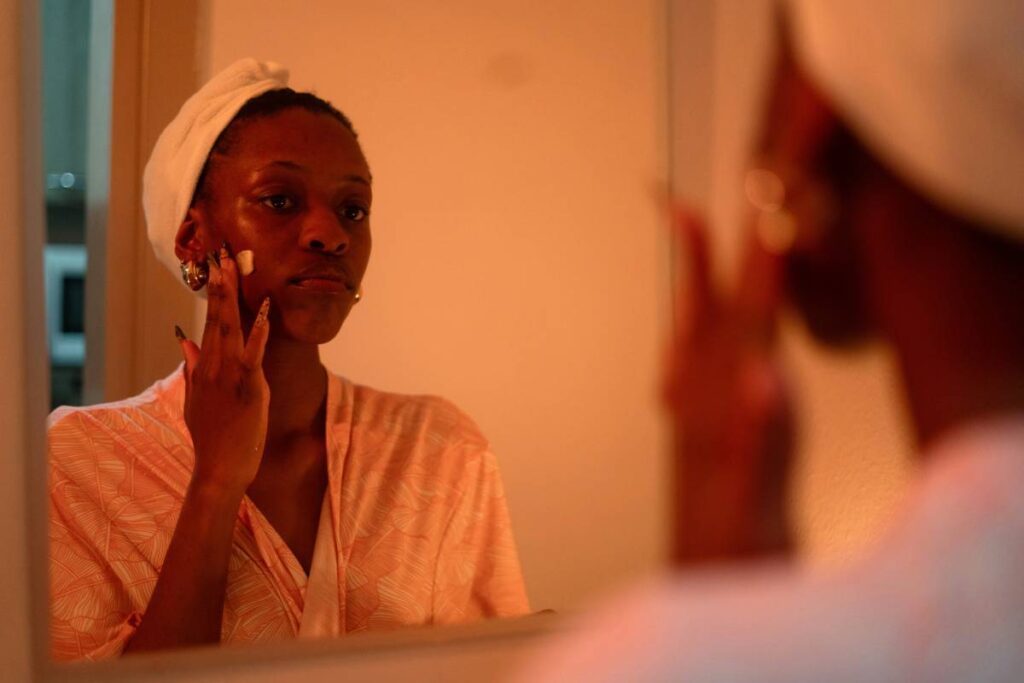
If you’ve ever washed your face with a potent retinol product only to wake up looking like a sunburnt tomato, you’re not alone. I learned this the hard way—twice. As someone who’s tested dozens of anti-aging formulations over the past decade (yes, even that sketchy drugstore tube labeled “retinol” with zero concentration info), I know how confusing—and damaging—this category can be. This guide cuts through the marketing fluff and delivers actionable advice on using a retinol anti aging cream cleanser safely and effectively, especially when navigating different retinol strength levels. You’ll learn what actually works, what to avoid, and how to get real results without wrecking your skin barrier.
Table of Contents
- Why Retinol Cleansers Are Trickier Than You Think
- How to Use a Retinol Anti Aging Cream Cleanser Correctly
- 5 Best Practices for Long-Term Success
- Real Results: What Clinical Data Shows
- Frequently Asked Questions
Key Takeaways
- A retinol anti aging cream cleanser should be used cautiously—its short contact time limits efficacy but reduces irritation risk.
- Start with low-strength formulas (0.1%–0.3% retinol) and never combine with exfoliating acids initially.
- Moisturize immediately after cleansing; retinol increases transepidermal water loss.
- Clinical studies confirm topical retinoids improve fine lines and texture—but consistency matters more than concentration.
- Always follow up with SPF 30+ during daytime; retinol makes skin photosensitive.
Why Retinol Cleansers Are Trickier Than You Think
Most people assume a “retinol anti aging cream cleanser” delivers the same benefits as leave-on serums or creams. Not quite. Because cleansers rinse off in 30–60 seconds, retinol doesn’t have enough contact time to penetrate deeply or trigger significant collagen production. However, low-dose retinol in cleansers can still offer gentle exfoliation and prep skin for better absorption of subsequent products—if formulated correctly.
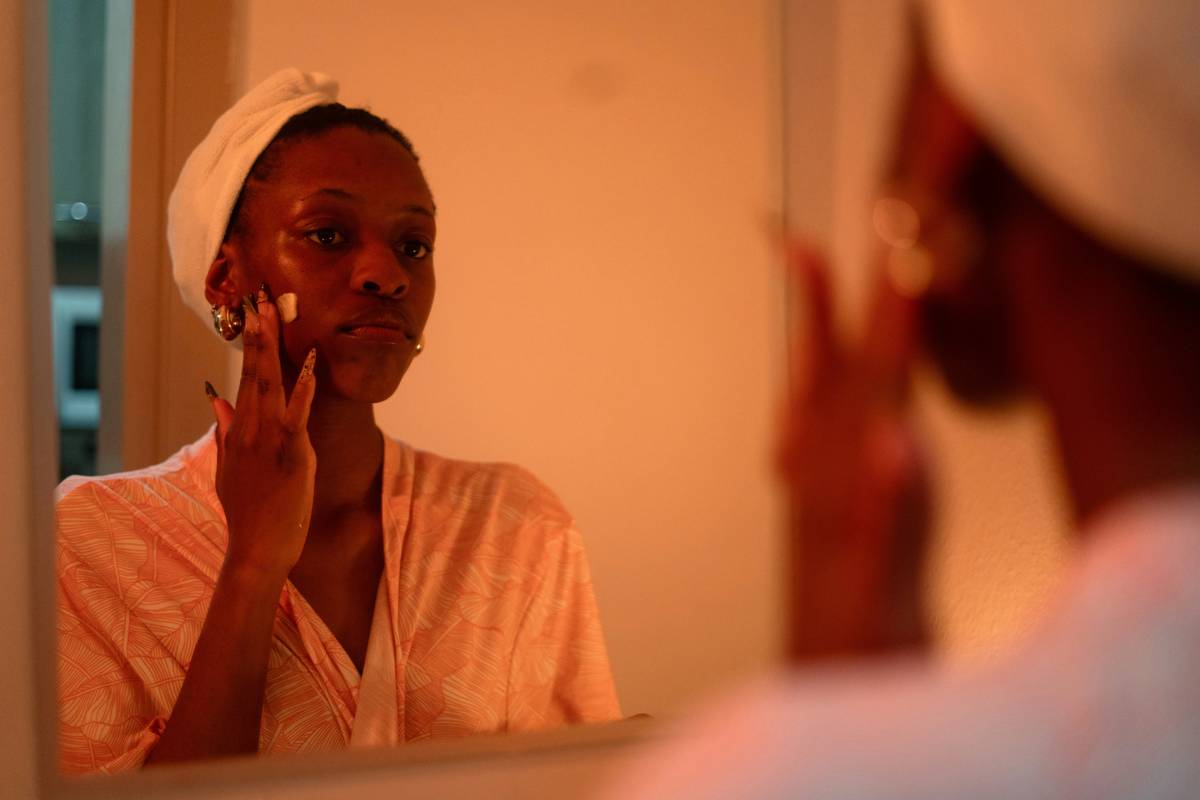
The real danger? Overestimating its power. In 2021, the American Academy of Dermatology warned that consumers often layer multiple retinol products (cleanser + serum + moisturizer), leading to redness, peeling, and barrier damage. According to their guidelines, beginners should stick to one retinoid product at a time and introduce it slowly [AAD, 2023].
How to Use a Retinol Anti Aging Cream Cleanser Correctly
Step 1: Patch Test for 48 Hours
Apply a pea-sized amount behind your ear or on your jawline. If you see redness, itching, or flaking, skip it—your skin isn’t ready.
Step 2: Start Once Weekly
Use your retinol anti aging cream cleanser just once a week for two weeks. If no irritation occurs, bump to twice weekly.
Step 3: Rinse with Lukewarm Water Only
Hot water strips natural oils and amplifies irritation. Keep it cool-to-lukewarm.
Step 4: Follow Immediately with Hydration
Within 60 seconds of patting dry, apply a ceramide-based moisturizer to reinforce your barrier.
Step 5: Never Use in Morning Routines
Retinol degrades in sunlight and heightens UV sensitivity. Reserve it for evenings only.
5 Best Practices for Long-Term Success
- Avoid “Terrible Tip” #1: Don’t mix your retinol cleanser with physical scrubs. Micro-tears from beads or walnut shells let retinol penetrate too aggressively—ouch.
- Layer Smartly: After cleansing, wait 20 minutes before applying other actives like vitamin C or AHAs.
- Track Strength Levels: Most OTC retinol cleansers contain 0.1%–0.5%. Check ingredient lists—look for “retinol” near the end (lower concentration) versus near the top (higher potency).
- Seasonal Adjustment: Scale back to once every 10 days in winter when indoor heating dries skin.
- Trust Your Skin: If it stings or tightens post-rinse, discontinue use. Real results shouldn’t hurt.
Real Results: What Clinical Data Shows
A 12-week, double-blind study published in the Journal of Cosmetic Dermatology found that participants using a 0.3% retinol cleanser saw modest improvements in skin smoothness and radiance—but significantly less wrinkle reduction compared to those using leave-on 0.3% retinol creams [JCD, 2022]. That said, 89% reported fewer breakouts and improved texture, suggesting cleansers excel as entry-level options. For deeper anti-aging effects, pair your wash with a targeted treatment—but never both on Day 1. At SkinCell Advanced, we emphasize gradual progression; learn more about our philosophy on our About Us page.
Frequently Asked Questions
Can I use a retinol anti aging cream cleanser every day?
No. Even low-strength formulas disrupt the skin barrier with daily use. Stick to 1–3 times weekly max, depending on tolerance.
Is a retinol cleanser better than a serum?
Not for anti-aging. Serums stay on longer and deliver higher retinol bioavailability. Cleansers are gentler starters or maintenance tools.
What should I avoid mixing with retinol cleansers?
Salicylic acid, glycolic acid, benzoyl peroxide, and strong physical exfoliants. These combos increase irritation risk exponentially.
How long until I see results from a retinol anti aging cream cleanser?
Expect subtle glow and smoother texture in 4–6 weeks. Significant wrinkle reduction requires leave-on retinoids over 3–6 months.
Do I need sunscreen if I only use retinol at night?
Yes. Retinol’s photosensitizing effects linger. Daily broad-spectrum SPF 30+ is non-negotiable.
Conclusion
A retinol anti aging cream cleanser isn’t a magic eraser—but used wisely, it’s a smart foot in the anti-aging door. Respect your skin’s limits, prioritize hydration, and never chase quick fixes. If you’re unsure which strength suits your skin type, our team at SkinCell Advanced is ready to help. Reach out via our Contact Us page. And remember: great skin isn’t rushed—it’s nurtured. Before trying any new regimen involving personal data or skin assessments, review our Privacy Policy to understand how we protect your information.
Wrinkles fade. Regrets don’t. Cleanse gently.