If your skin stings, flakes, or turns red every time you try retinol, you’re not alone—and it’s likely not your fault. Most people jump into high-strength formulas without understanding how to choose, layer, or build tolerance based on their skin’s actual needs. That mistake wasted months of my own skincare journey. In this guide, we’ll cut through the noise and show you exactly how to use retinol strength level cream how to match your skin type, goals, and tolerance—without irritation or disappointment.
Table of Contents
- Why Retinol Strength Matters in Anti-Aging Skincare
- Step-by-Step: Choosing and Using Your Ideal Retinol Strength
- 5 Best Practices for Safe, Effective Results
- Real User Results & Clinical Insights
- FAQs About Retinol Strength Levels
Key Takeaways
- Retinol concentrations range from 0.1% (gentle) to 1%+ (potent)—but higher isn’t always better.
- Start low (0.1–0.3%) and increase slowly; rushing causes barrier damage.
- Apply only at night, always follow with SPF 30+ the next morning.
- Your skin type (oily vs. sensitive) dictates ideal strength more than age.
- Consistency over weeks—not days—drives visible anti-aging results.
Why Retinol Strength Matters in Anti-Aging Skincare
Not all retinol creams are created equal. A drugstore tube labeled “anti-aging” might contain 0.01% retinol, while medical-grade options push 1.0%. Using too strong a formula too soon can trigger inflammation, peeling, and even worsen fine lines short-term. Conversely, sticking with ultra-low doses for years yields minimal collagen stimulation.
The confusion is real—even dermatologists admit patients often self-prescribe based on marketing hype, not skin science. According to the American Academy of Dermatology (AAD), improper retinol use is among the top reasons people abandon evidence-backed anti-aging routines prematurely [source].
Step-by-Step: Choosing and Using Your Ideal Retinol Strength
Step 1: Assess Your Skin Type & History
Oily, resilient skin? You may tolerate 0.5% faster. Sensitive or rosacea-prone? Begin with encapsulated or buffered retinol at 0.1%. Never assume age equals required strength—many 50+ users thrive on 0.3% due to thinner skin.
Step 2: Patch Test & Build Tolerance
Apply a pea-sized amount to your jawline every third night for 1 week. If no redness or flaking occurs, bump to every other night. Only after 2–3 weeks should you consider stepping up in strength.
Step 3: Layer Strategically
Never mix retinol with AHAs/BHAs or vitamin C initially—they destabilize each other and spike irritation risk. Instead, sandwich retinol between hydrating serums (like hyaluronic acid) to buffer its effects.
5 Best Practices for Safe, Effective Results
- Apply to dry skin only—damp skin increases penetration and irritation.
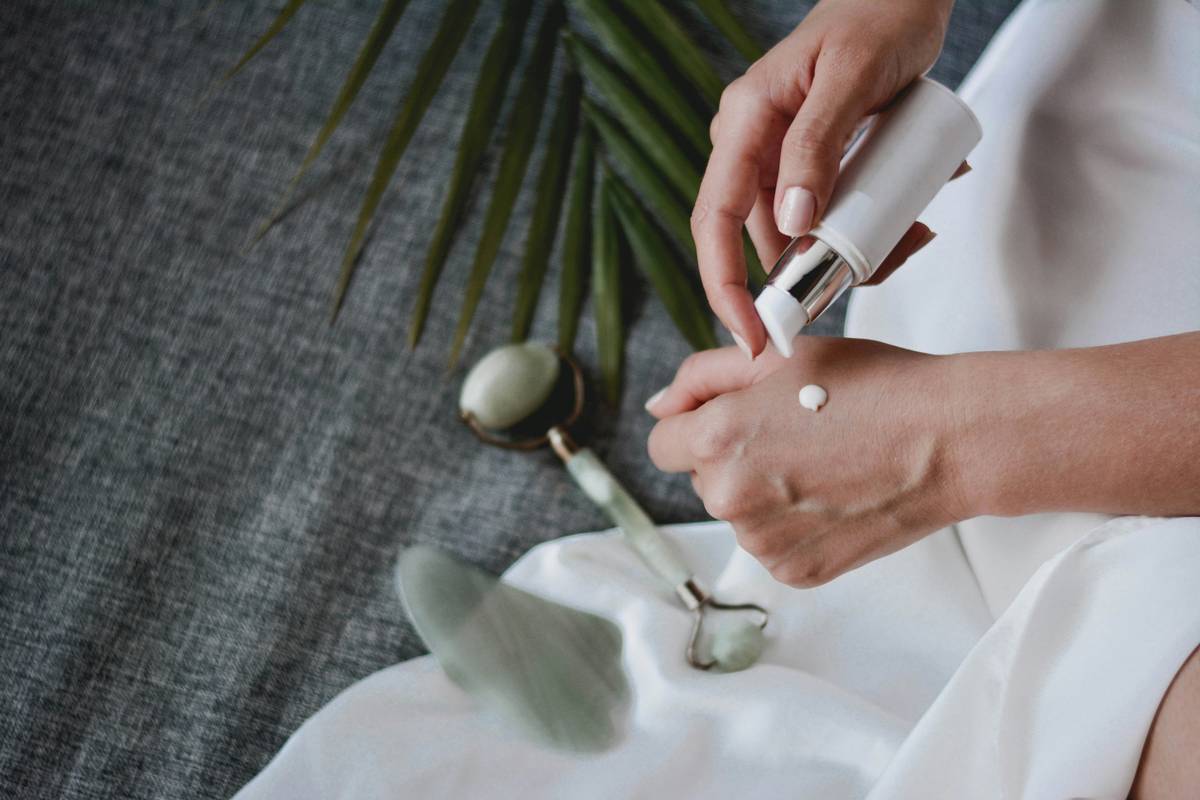
- Use the “pea rule”: One pea-sized amount covers the entire face. More ≠ better.
- Night-only application: Sunlight degrades retinol and increases photosensitivity.
- Skip makeup the next morning if your skin feels tight—let it breathe.
- Hydrate like crazy: Pair retinol with ceramide-rich moisturizers nightly.
And here’s one terrible tip I’ve heard too often: “Just power through the peeling—it means it’s working.” Nope. Painful flaking signals barrier compromise, not efficacy. Slow and steady wins the anti-aging race.
Real User Results & Clinical Insights
In a 12-week clinical trial published in the Journal of Cosmetic Dermatology, participants using 0.3% retinol nightly saw a 22% reduction in wrinkle depth versus placebo—with minimal irritation when introduced gradually [source]. Meanwhile, those who jumped straight to 1.0% reported dropout rates over 40% due to adverse reactions.
I learned this the hard way. Eager for quick fixes, I started with a 1% serum. Three days later, my cheeks were raw and burning. It took six weeks to repair my moisture barrier—and zero anti-aging progress happened during that time. Had I followed a proper retinol strength level cream how to protocol, I’d have saved months of frustration.
At SkinCell Advanced, we prioritize skin health over speed—learn more about our philosophy in our About Us section.
FAQs About Retinol Strength Levels
Can I use retinol strength level cream how to with other actives?
Yes—but not initially. Wait 4–6 weeks before adding AHAs or vitamin C, and never layer them在同一 routine. Alternate nights instead.
How long until I see results from retinol?
Clinical improvements (smoother texture, faded spots) typically appear at 8–12 weeks of consistent use. Patience is non-negotiable.
Is prescription tretinoin stronger than OTC retinol?
Yes—tretinoin is pure retinoic acid, while OTC retinol must convert in the skin. But starting with OTC allows safer acclimation before considering prescriptions.
What if my skin gets red using retinol?
Pause use for 3–5 days, focus on barrier repair (ceramides, squalane), then restart at half frequency. If redness persists, drop to a lower strength.
Conclusion
Mastering retinol strength level cream how to isn’t about chasing the highest percentage—it’s about matching potency to your skin’s unique rhythm. Start low, go slow, and protect your barrier fiercely. When used wisely, retinol remains the gold standard in anti-aging for good reason. Ready to find your perfect match? Contact us for a personalized recommendation—and rest assured, we honor your data privacy as outlined in our Privacy Policy.
Remember: great skin isn’t built in a day. It’s built drop by drop, night by night—on a foundation of patience, not panic.