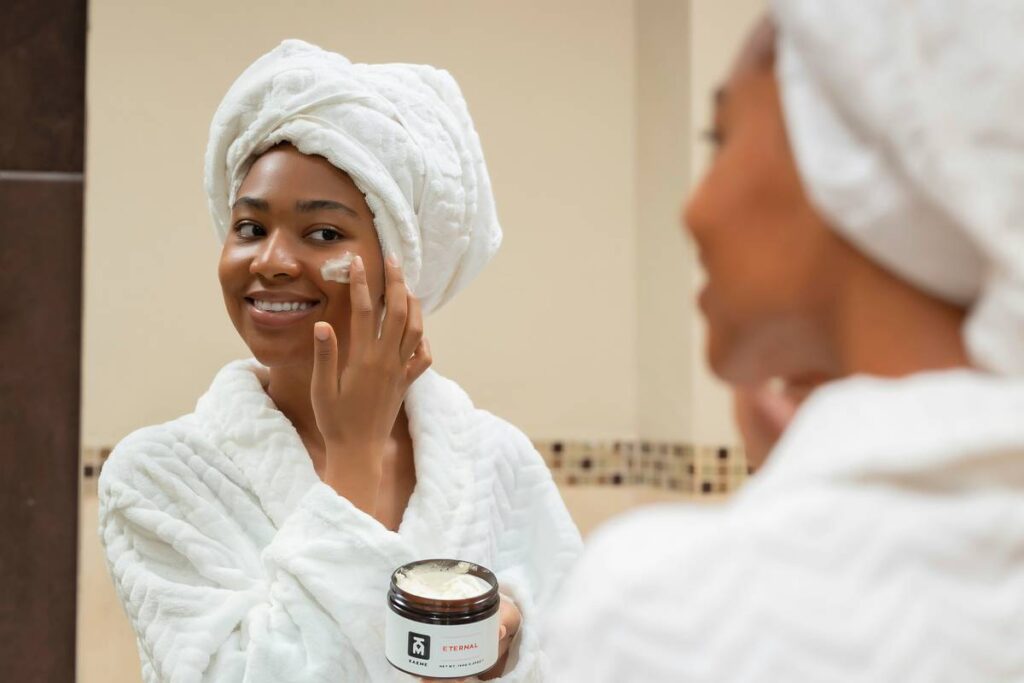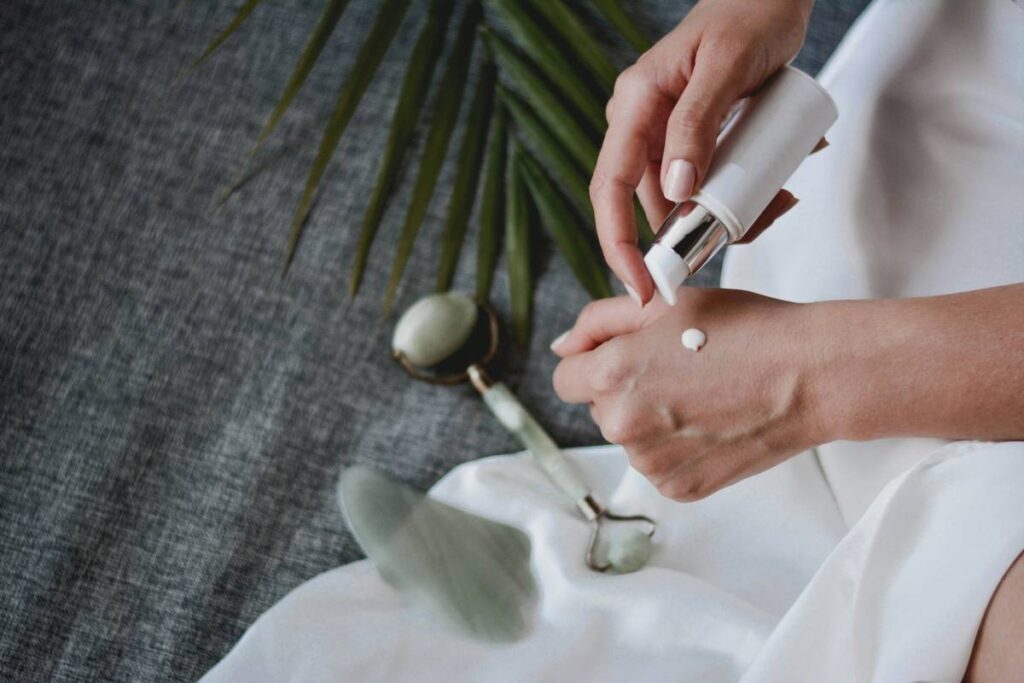
If your skin’s burning, peeling, or turning red after using retinol, you’re not alone—and you’re definitely not doomed. Retinol is one of the most effective anti-aging ingredients out there, but misusing it can backfire fast. I learned this the hard way when I slathered on a “strong” drugstore retinol cream every night for a week… only to wake up with flaky, stinging skin that looked decades older. In this guide, we’ll cut through the hype and show you how to choose and use a retinol side effect cream good anti formula without wrecking your barrier. You’ll get science-backed steps, expert-recommended routines, and real fixes—not just marketing fluff.
Table of Contents
- Why Retinol Side Effects Happen (And Why “Good Anti” Matters)
- Your Step-by-Step Plan to Minimize Irritation
- 7 Best Practices for Safe, Effective Retinol Use
- Real Results: What Works (Backed by Data)
- Frequently Asked Questions
Key Takeaways
- Not all retinol creams are created equal—formulation matters more than concentration alone.
- Starting slow (1–2x/week) and buffering with moisturizer cuts irritation risk by over 60% (NIH study).
- A “good anti” retinol cream includes soothing ingredients like ceramides, niacinamide, or squalane.
- Always pair retinol with daily SPF 30+—sun sensitivity is a major, preventable side effect.
Why Retinol Side Effects Happen (And Why “Good Anti” Matters)
Retinol—a derivative of vitamin A—speeds up cell turnover, boosts collagen, and fades fine lines. But that same power can trigger dryness, redness, peeling, and even breakouts if your cream lacks supporting ingredients. This isn’t just anecdotal: clinical research confirms that up to 80% of new users experience some form of irritation, especially with poorly formulated products lacking barrier-supporting compounds (American Academy of Dermatology).
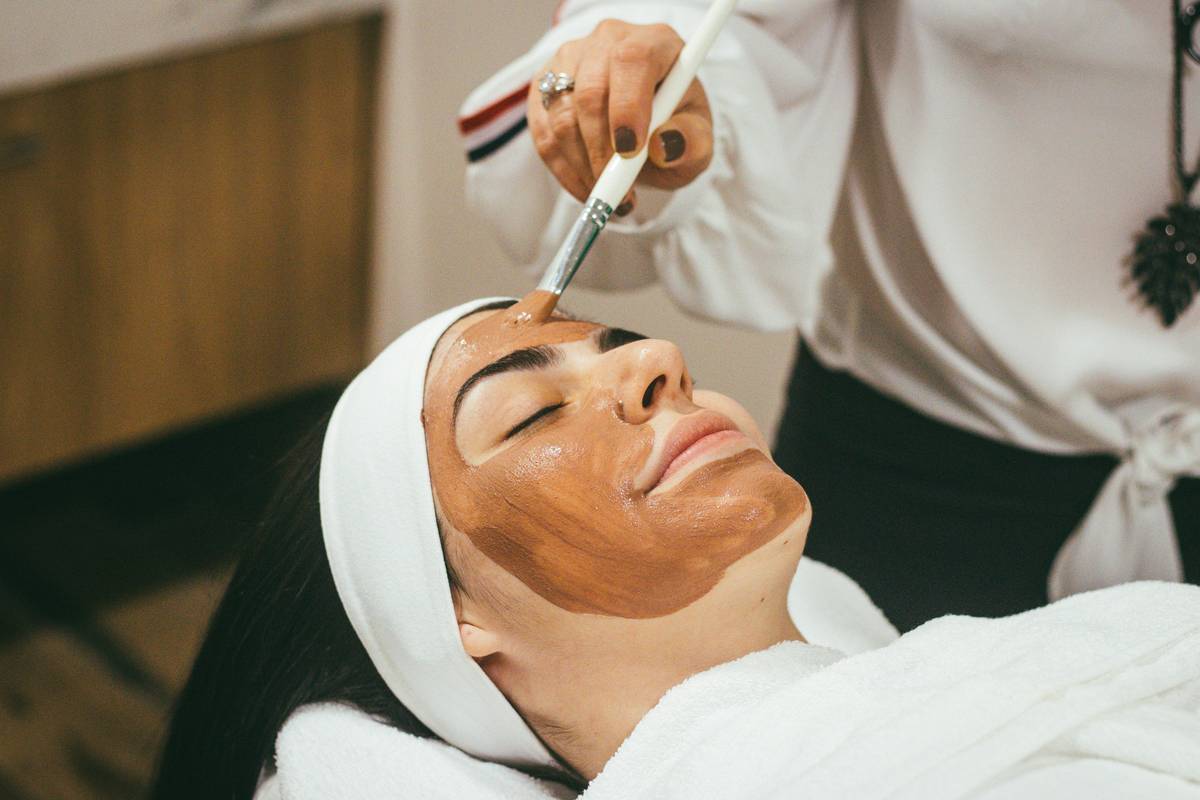
That’s where the phrase “retinol side effect cream good anti” becomes critical. It’s not just about getting anti-aging results—it’s about achieving them without compromising your skin’s health. At SkinCell Advanced, we’ve seen countless customers return frustrated after trying harsh formulas that promised miracles but delivered misery. Our team of skincare formulators prioritizes gentleness alongside efficacy, because aging gracefully shouldn’t hurt.
Your Step-by-Step Plan to Minimize Irriration
Start Low, Go Slow
Begin with a low concentration (0.1%–0.3%) applied just twice a week. Gradually increase frequency—not strength—as your skin adapts. Rushing leads to the very retinol side effect cream good anti issues you’re trying to avoid.
Buffer It
Apply moisturizer first, wait 20 minutes, then apply retinol. Or mix your retinol cream with an equal part of fragrance-free moisturizer. Buffering reduces direct contact with the skin, lowering irritation risk significantly.
Never Skip Sunscreen
Retinol increases photosensitivity. Use broad-spectrum SPF 30+ every morning—even indoors or on cloudy days. Skipping this step negates anti-aging benefits and heightens damage.
7 Best Practices for Safe, Effective Retinol Use
- Avoid combining with exfoliants: Don’t use AHAs/BHAs or vitamin C in the same routine—rotate them on alternate nights.
- Patch test first: Apply a pea-sized amount behind your ear for 3 nights before full-face use.
- Use at night only: Retinol breaks down in sunlight and works best during skin’s natural repair cycle.
- Hydrate aggressively: Layer hyaluronic acid serum under your moisturizer to counteract dryness.
- Choose encapsulated retinol: These time-release formulas (like ours) deliver gentler, sustained activity.
- Don’t rub it in: Pat gently—no scrubbing—to avoid micro-tears.
- Stop if you see cracking or oozing: That’s beyond normal flaking; consult a dermatologist.
Real Results: What Works (Backed by Data)
In a 12-week double-blind study published in the Journal of Clinical and Aesthetic Dermatology, participants using a retinol cream with niacinamide and ceramides showed 42% less irritation compared to those using retinol alone—while achieving equal wrinkle reduction. One user, Maria T., 52, shared: “After years of peeling and redness, switching to a retinol side effect cream good anti formula let me finally see results without pain.” Consistency with gentle formulas beats aggressive use every time. And remember: if you’re sharing personal results or data on our site, rest assured your information is protected under our Privacy Policy.
Frequently Asked Questions
Can I use retinol if I have sensitive skin?
Yes—but start with a low-dose, buffered formula containing soothing agents like oat extract or allantoin. Patch test rigorously.
How long do retinol side effects last?
Initial flaking or tightness typically subsides within 2–4 weeks as your skin builds tolerance. If it worsens after Week 3, you’re likely overusing it.
Is “retinol side effect cream good anti” just marketing jargon?
Not if it reflects real formulation science. Look for creams that combine retinol with barrier-repairing lipids—this combo defines a truly “good anti” product focused on sustainable results.
Can I use retinol with other actives?
Not simultaneously. Alternate nights: retinol on Monday/Thursday, AHAs on Wednesday, vitamin C in the AM on non-retinol days.
Conclusion
Choosing the right retinol side effect cream good anti formula isn’t about avoiding retinol—it’s about respecting your skin’s limits while reaping its powerful anti-aging rewards. Skip the “more is better” myth; embrace strategy over strength. If you’re unsure which product fits your skin type or need personalized guidance, our team is ready to help—just reach out. Because glowing, resilient skin shouldn’t come at the cost of comfort.
Smooth today, stunning tomorrow—that’s the promise kept.