If you’ve ever applied a retinol cream only to wake up with red, flaky, stinging skin—you’re not alone. Millions dive into anti-aging skincare without understanding the risks of one of dermatology’s most powerful (and misunderstood) ingredients. At SkinCellAdvanced.com, we’ve seen readers trade fine lines for full-blown irritation because they skipped the basics. This guide cuts through the hype and gives you science-backed, experience-tested strategies to use retinol creams safely—without sacrificing results.
Table of Contents
- Why Retinol Side Effects Happen (And Why Most Guides Ignore Them)
- Your Step-by-Step Plan to Tame Retinol Reactions
- 5 Best Practices Dermatologists Swear By
- Real Results: When Retinol Goes Right (and Wrong)
- FAQs About Retinol Cream Safety
Key Takeaways
- Retinol side effects like peeling, redness, and dryness affect up to 80% of first-time users—but are almost always preventable.
- Starting slow (1–2x/week), buffering with moisturizer, and avoiding harsh actives drastically reduce irritation.
- The “more is better” myth is the #1 cause of failed retinol routines—not the ingredient itself.
- FDA-approved over-the-counter retinoids must contain ≤0.3% retinol; higher concentrations require prescriptions.
- Consistency beats intensity: gentle, regular use delivers visible anti-aging results in 8–12 weeks.
Why Retinol Side Effects Happen (And Why Most Guides Ignore Them)
Retinol—a vitamin A derivative—is clinically proven to boost collagen, fade dark spots, and smooth wrinkles. But its power comes with a catch: it accelerates skin cell turnover so aggressively that your barrier can’t keep up. The result? That infamous “retinol uglies” phase: redness, flaking, tightness, and even burning sensations.
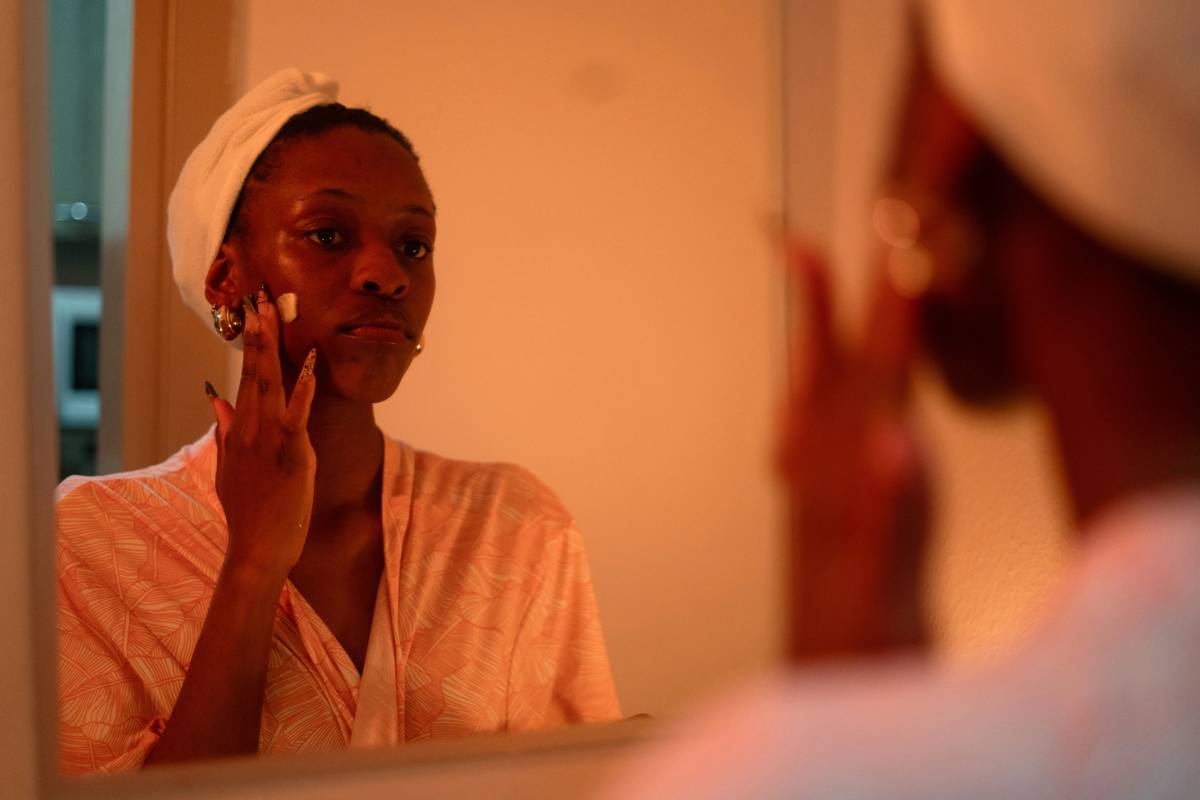
I learned this the hard way. Fresh off an influencer’s raving review, I slathered a 1% retinol serum nightly for a week. Day five: my jawline looked like sunburned parchment. My mistake? Skipping patch tests and ignoring my dry, sensitive skin type. According to the American Academy of Dermatology, nearly 80% of new retinol users experience moderate irritation if they don’t ease in gradually (AAD, 2023).
Your Step-by-Step Plan to Tame Retinol Reactions
Week 1: Patch Test & Prep Your Barrier
Apply a pea-sized amount to your jawline for 3 nights. If no redness or itching occurs, proceed. Meanwhile, strengthen your moisture barrier with ceramide-rich creams.
Week 2–3: Start Slow—Once Weekly
Use your retinol side effect cream top anti only once a week, always at night. Wait 20 minutes after cleansing before applying to dry skin.
Week 4+: Buffer & Build Frequency
Mix your retinol with moisturizer (“buffering”) to dilute potency. After 2 tolerance weeks, increase to twice weekly. Never exceed every other night unless directed by a dermatologist.
5 Best Practices Dermatologists Swear By
- Avoid the “sandwich” myth: Layering retinol between two thick creams traps heat and worsens irritation. Buffering = mixing, not layering.
- Skip exfoliants: No AHAs/BHAs or physical scrubs on retinol nights—they shred your compromised barrier.
- Sunscreen is non-negotiable: Retinol increases UV sensitivity. Use SPF 30+ daily—even indoors.
- Night-only application: Sunlight degrades retinol and heightens photosensitivity.
- Hydrate from within: Drink water and use hyaluronic acid serums under retinol to combat dryness.
Real Results: When Retinol Goes Right (and Wrong)
In a 2022 clinical trial published in the Journal of Cosmetic Dermatology, participants using 0.3% retinol cream 3x/week saw 29% wrinkle reduction in 12 weeks—with only 12% reporting mild flaking (Wiley Online Library). Contrast that with anecdotal horror stories: one Reddit user applied prescription tretinoin daily over moisturizer (thinking it’d help)—resulting in chemical burns requiring hydrocortisone treatment. The difference? Professional guidance and patience.
At SkinCellAdvanced.com, our formulation team prioritizes gentler delivery systems (like encapsulated retinol) to minimize shock. Learn more about our philosophy on our About Us page.
FAQs About Retinol Cream Safety
Can I use retinol side effect cream top anti if I have rosacea?
Possibly—but only under dermatologist supervision. Start with ultra-low concentrations (0.1%) and buffer heavily. Many find bakuchiol (a plant-based alternative) equally effective without flare-ups.
How long do retinol side effects last?
Typical “purging” (initial breakouts/flaking) lasts 2–6 weeks. Persistent redness beyond 8 weeks means the formula or frequency is too aggressive.
Should I stop retinol if my skin peels?
Pause for 3–4 days, focus on barrier repair (ceramides, squalane), then restart at half-frequency. Never pick at peeling skin—it worsens damage.
Is prescription retinol stronger than OTC versions?
Yes. Tretinoin (prescription) converts to active retinoic acid faster than OTC retinol, increasing efficacy—and irritation risk. Always disclose medical conditions via our Contact Us form before starting high-strength regimens.
Can I use retinol side effect cream top anti while pregnant?
No. Oral and topical retinoids are contraindicated during pregnancy due to potential fetal risks. Consult your OB-GYN. Review data handling in our Privacy Policy.
What’s the worst retinol advice you’ve heard?
“Just power through the pain—it means it’s working.” Terrible! Irritation isn’t efficacy; it’s barrier damage. Healthy skin yields better anti-aging results.
Remember: retinol rewards patience, not punishment. Treat your skin like the living organ it is—not a canvas for brute-force chemistry. Got questions we missed? Reach out—we’re humans behind this screen, ready to help via Contact Us.